
Minimalist Living: Designing a Life with Less but Better
Reading Time : 5 min
Social Share :-
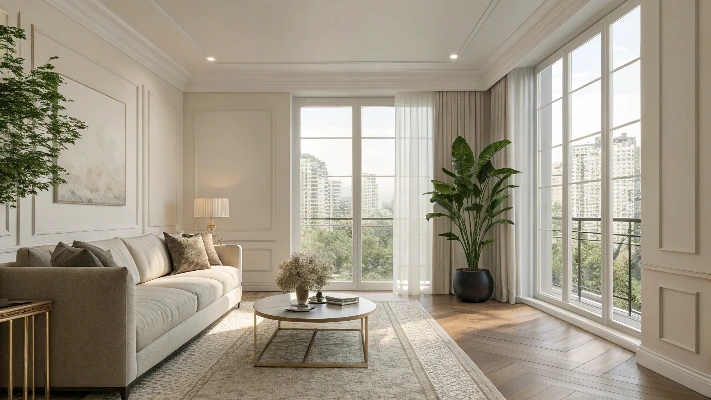
Minimalist Living: Designing a Life with Less but Better
Minimalist living is more than an aesthetic choice—it is a deliberate lifestyle shift that prioritizes quality over quantity, clarity over clutter, and intentionality over impulse. By focusing on what truly matters, individuals can create spaces, routines, and mindsets that foster both simplicity and fulfillment.
The Philosophy Behind Minimalism
At its core, minimalism challenges the assumption that more possessions equate to greater happiness. Instead, it encourages a thoughtful curation of belongings, experiences, and commitments, aligning life choices with personal values rather than societal pressures.
Designing Spaces with Purpose
Minimalist design favors clean lines, functional layouts, and neutral palettes that reduce visual noise and promote calm. Every item serves a purpose—either functional, emotional, or aesthetic—eliminating the excess that distracts from daily life.
The Benefits of Living with Less
Adopting a minimalist approach can lead to reduced stress, greater financial freedom, and more time for meaningful pursuits. Fewer possessions mean less maintenance, less decision fatigue, and a greater focus on relationships, health, and personal growth.
Practical Steps Toward Minimalism
Transitioning to a minimalist lifestyle often begins with decluttering—removing unused items, digitizing documents, and streamlining daily routines. Over time, decision-making becomes more intentional, with each new purchase or commitment evaluated for its long-term value.
A Life of Intentional Abundance
Minimalism is not about deprivation—it is about making space for what enriches life the most. By choosing less but better, individuals can craft a lifestyle that feels both lighter and more deeply fulfilling, proving that simplicity can be the ultimate luxury.